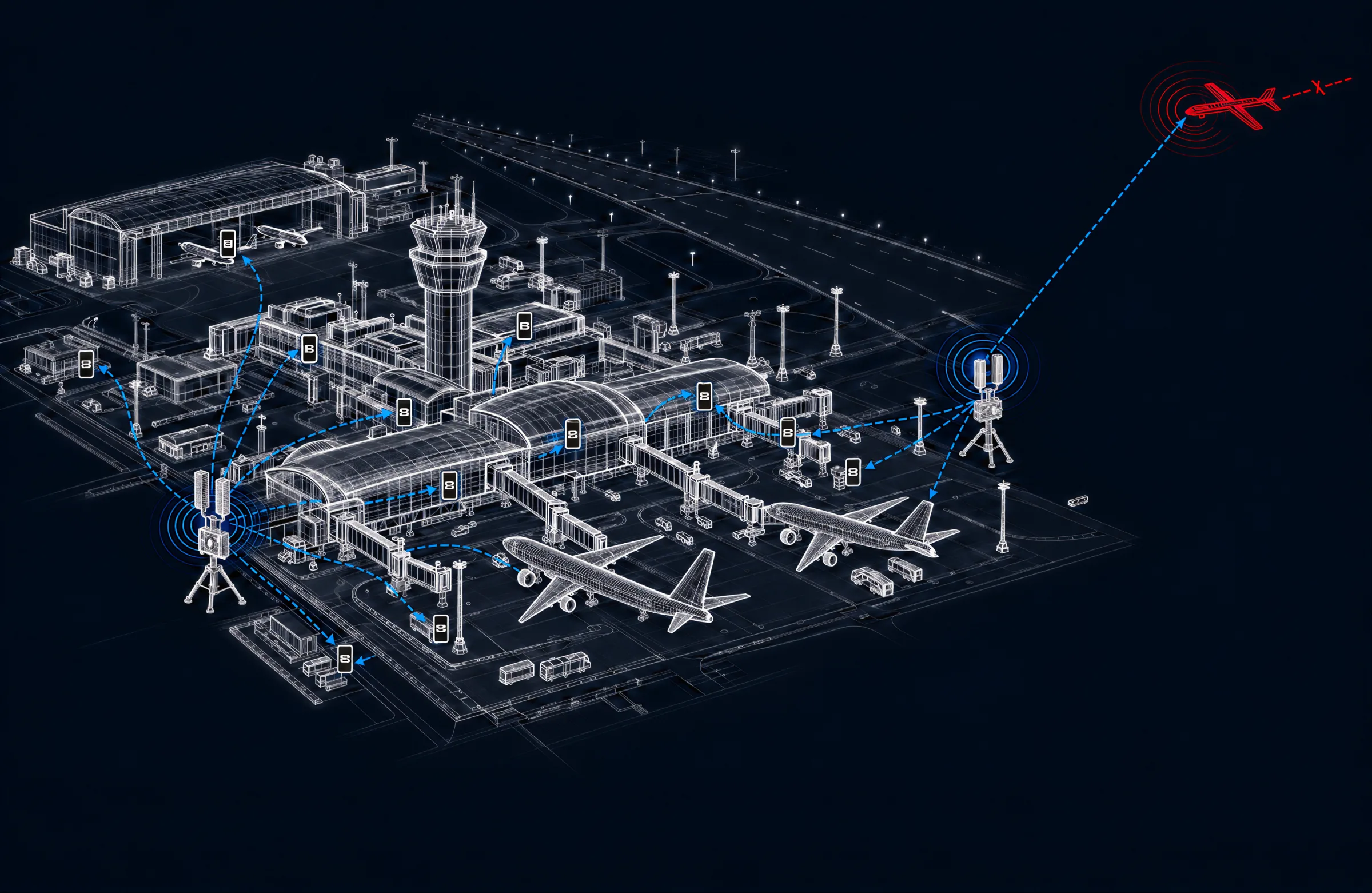
Today's threats arrive on the cellular network the site already lives on. Polus hears them, tells them apart from everyone else, and cuts only their link.
Airports
Oil & Gas
Data Centers
Power Infrastructure
01: Early Threat Detection
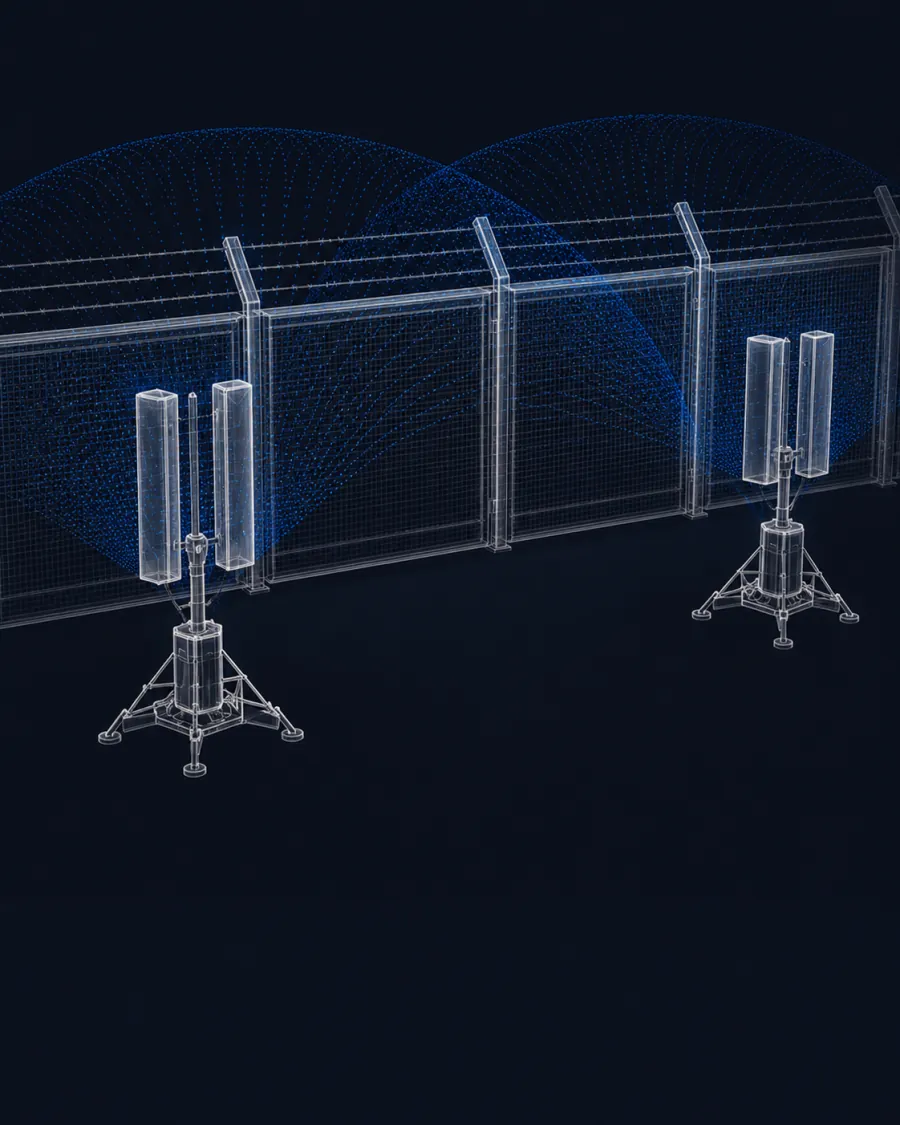
Fixed units listen continuously for cellular emitters approaching the site.
02: SMS Broadcast
Alerts are pushed to phones inside a defined area around the site, so the teams who need to act are reached directly.
03: Selective Response
On operator command, that drone's link is cut. Every other device keeps working.
WhyConventionalDefensesFail
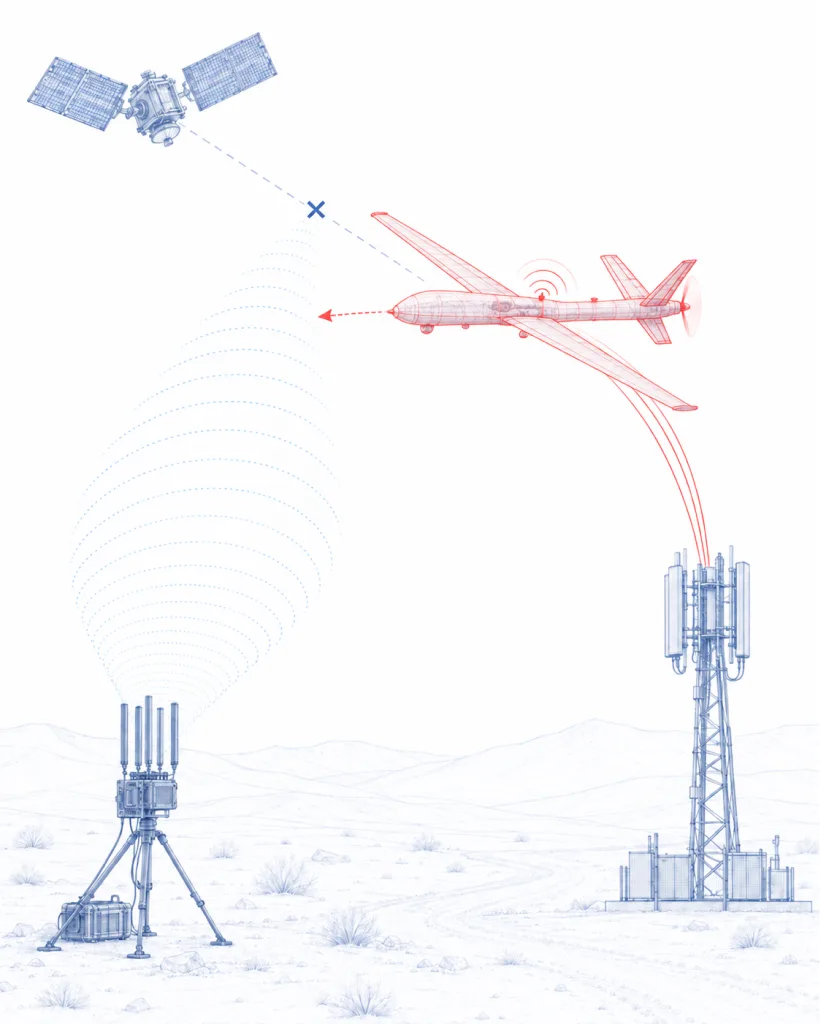
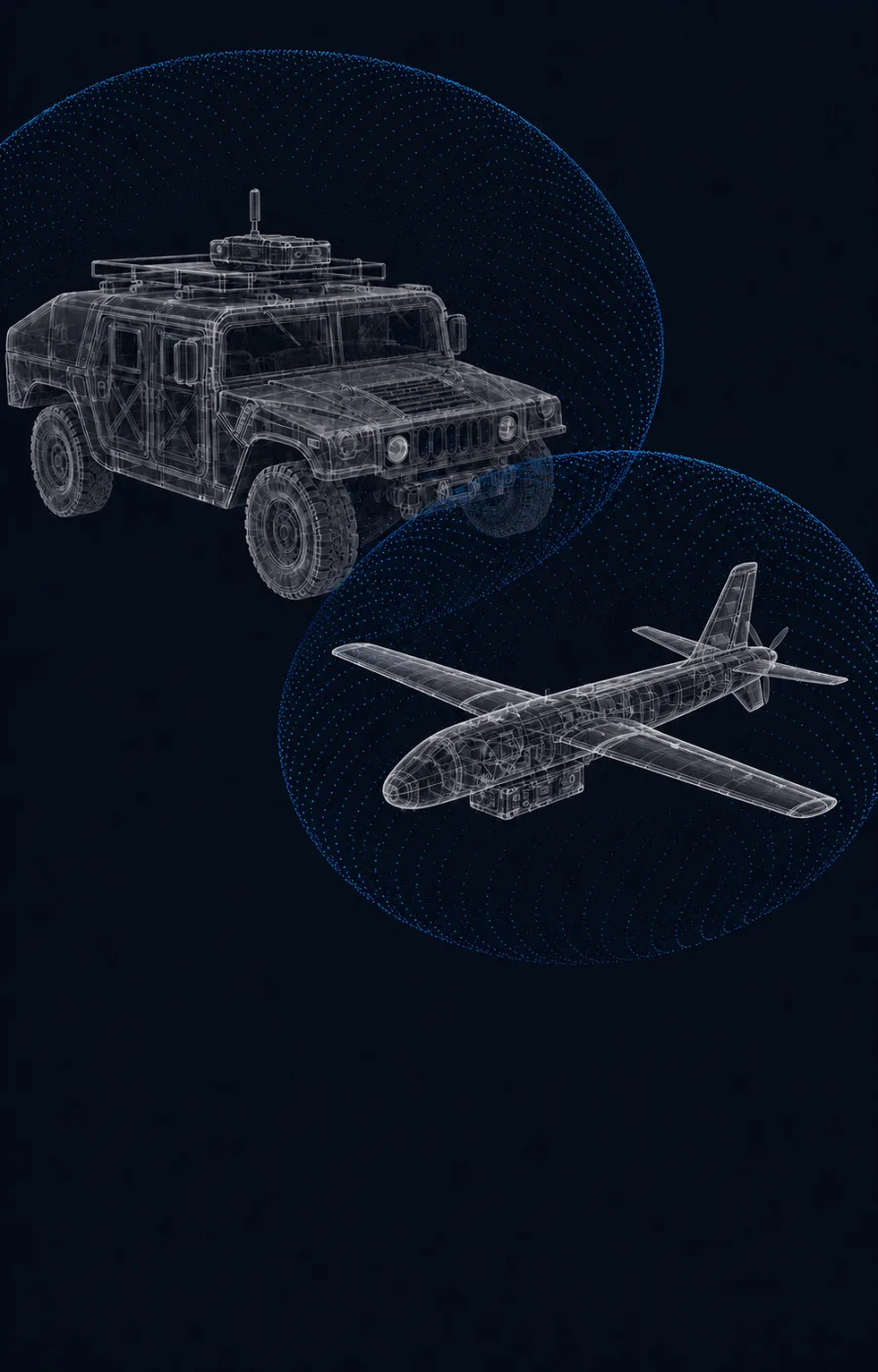
The drones showing up over European airports are not hobby aircraft that lost their way. Many carry a SIM card and navigate on the same commercial network the site sits inside, which is exactly where conventional Counter-UAS (C-UAS) measures have nothing to offer.
01
GPS Jamming Isn't Enough
A jammed drone keeps navigating on its cellular link and stays under control.
02
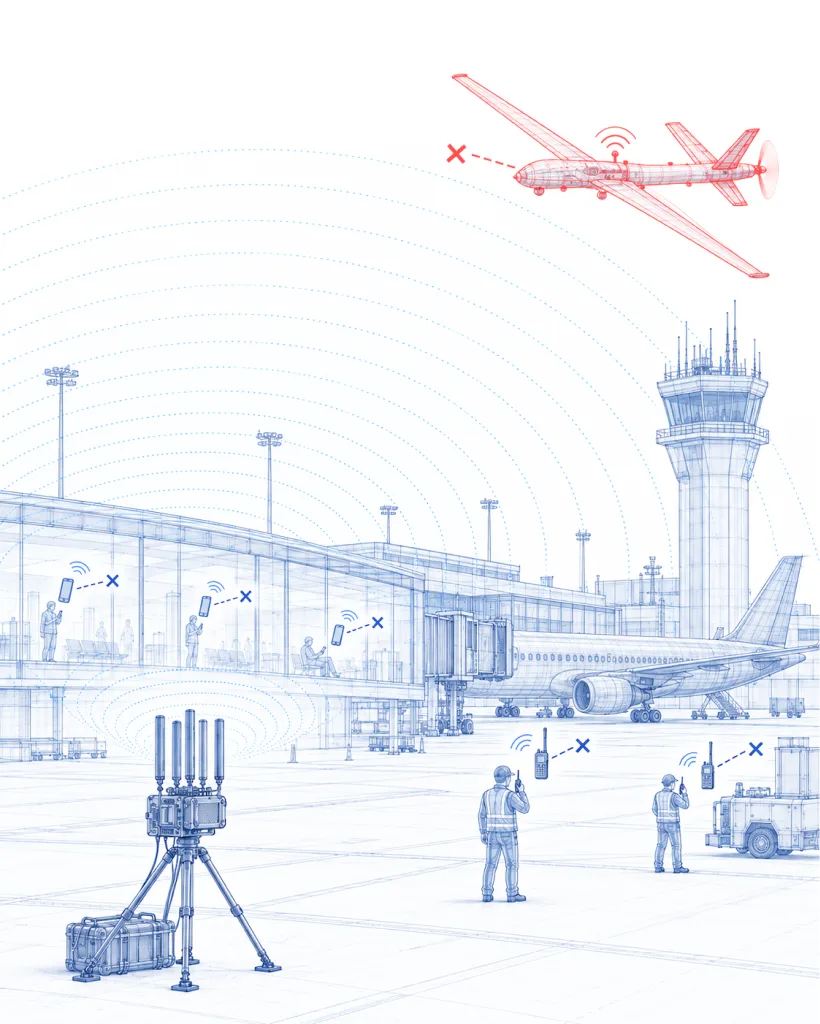
RF Jamming Hits Everyone
Blanket jamming takes civilian and friendly communications down with it. You cannot do that at an airport.
03
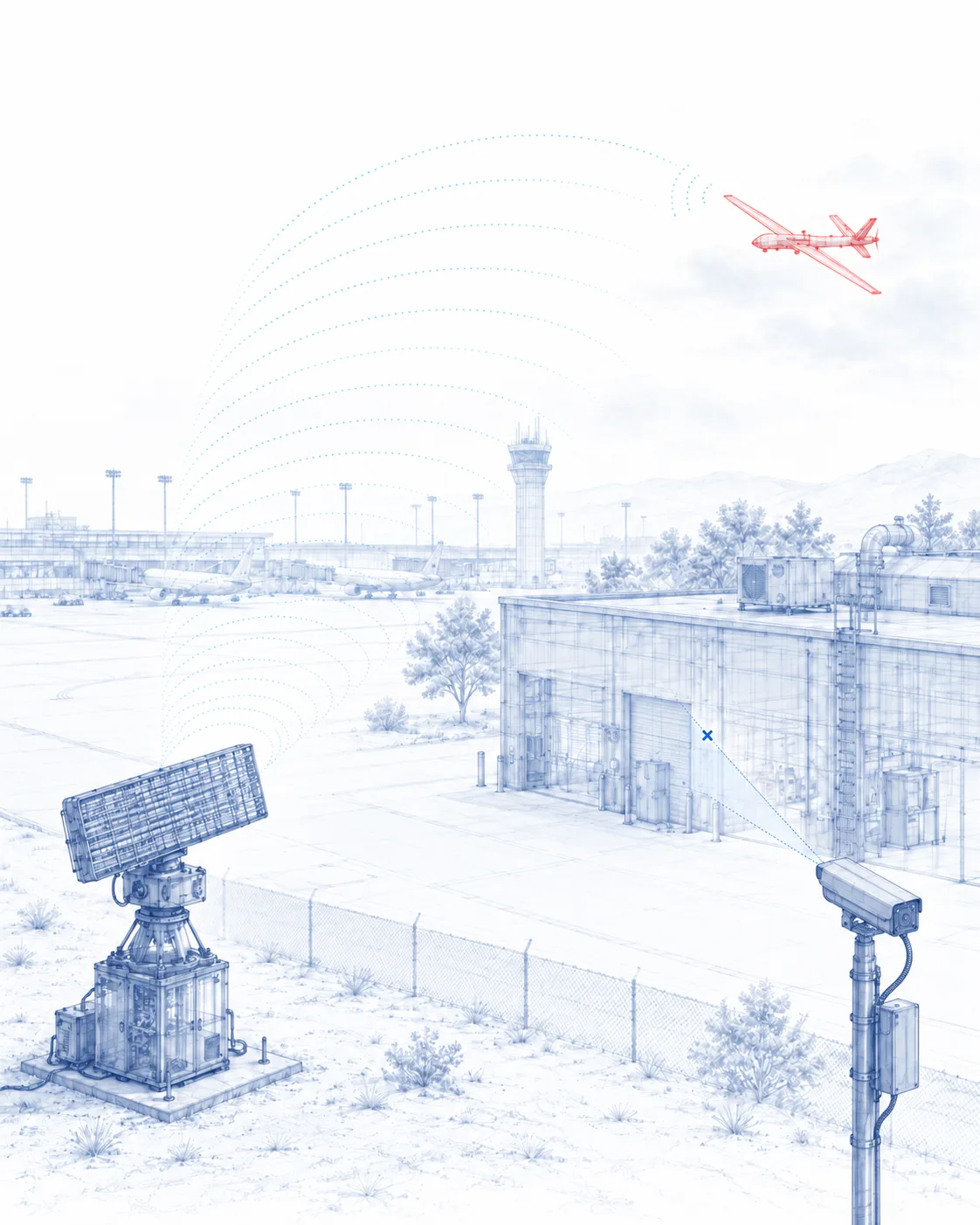
Radar and Cameras Miss It
A small drone is a weak radar return, and a camera needs daylight and a clear line of sight.
Luciano
Silentwhileitlistens. Precisewhenyouask.
Luciano is a SIGINT-based Counter-UAS. The effect is electronic and aimed at one network identity, so everything else in the air and on the ground keeps working.
Silent Detection
01Listen
Receive-only. The sensor hears every cellular emitter overhead and adds nothing to the RF environment, so it can sit inside a live airport without disturbing a single service.
02Classify
Protocol and RF patterns, fused. Sustained elevation and flight kinematics separate a drone from a phone on a rooftop. Network behavior confirms it. A ground phone does not move like a drone and does not behave like a drone modem.
03Localize
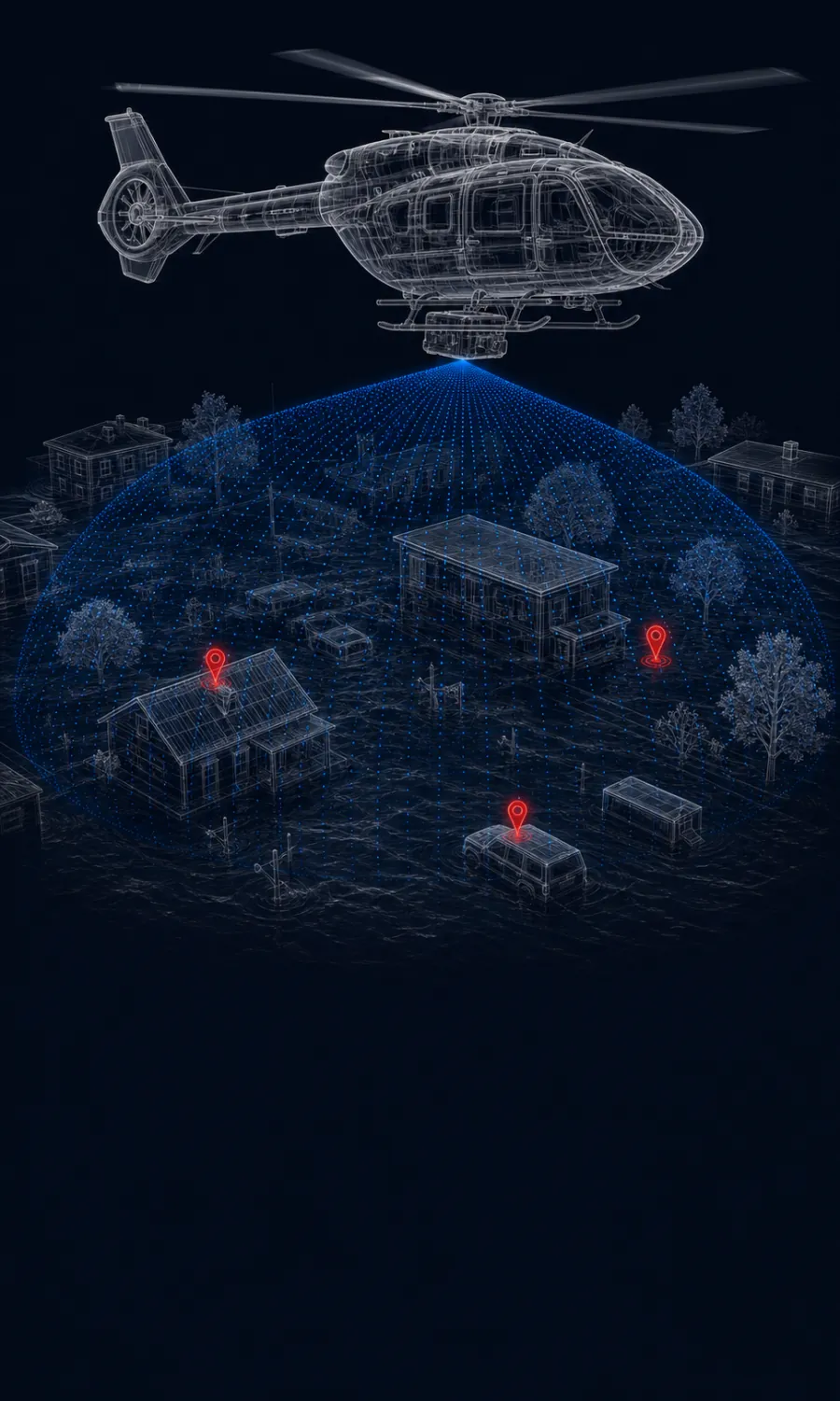
Passive bearing while listening. On request, a meter-class 3-D fix.
Selective EW
01Confirm
Nothing happens until an operator confirms the track. Every escalation is a human decision.
02Deny the Link
The effect is aimed at that drone's own network identity, not at a band. Its navigation and telemetry link drops. Every phone and friendly emitter around it stays untouched. A jammer floods a band and blinds everyone, own forces included. Selective EW addresses only the identified drone, with a fraction of the power.
03Hand Off
Where the site already runs its own response procedure, Polus hands over a confirmed track with the position and identity resolved. What happens next belongs to that procedure. Polus does not supply, operate or direct it.